Yard & Garden calculator

Gravel CalculatorCubic Yards & Tons

Calculate gravel volume and estimated tons for driveways, paths and landscape projects using dimensions, depth, material density and waste allowance.

Updated August 20, 2026
Instant estimateNo sign-up required
Clear formulaSee how the result is built
Practical unitsBoxes, bags, sheets or volume
Editable wasteAdjust for your project

Project details

Enter your measurements and material details.

Planning estimate only. Actual quantities vary with cuts, layout, site conditions and product specifications.
💡Tip:

Ask the supplier for the conversion factor they use for the exact aggregate being delivered.

How the Gravel Calculator works

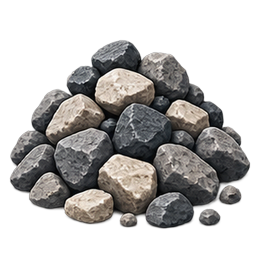
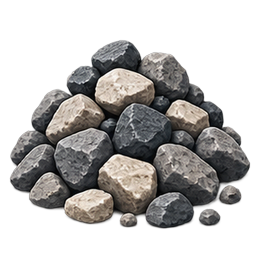
The gravel calculator first determines compacted project volume, then converts that volume into an estimated weight using the density you enter. A default of 1.4 tons per cubic yard is useful for rough planning, but stone type, gradation and moisture can move the real value significantly.

Formula

Cubic yards = length × width × depth in feet ÷ 27. Tons = cubic yards × tons per cubic yard × waste factor.
Measure before you buy

Measure finished area and planned compacted depth. If the project has a base layer and a decorative top layer, calculate them separately because the two materials can have different depths and densities. Driveways with soft subgrade may require more preparation than a simple landscape path.

  • Ask the supplier for the conversion factor they use for the exact aggregate being delivered.
  • Plan around compaction: loose delivered material may occupy more volume before it is compacted.
  • Separate base gravel from surface stone when the project uses multiple layers.

Common questions

How many tons are in a cubic yard of gravel?

It varies. Around 1.3–1.5 tons per cubic yard is a common rough range, but the supplier value is more reliable.

Should depth be measured before or after compaction?

Use the planned finished compacted depth when estimating the installed layer.

Can I calculate driveway gravel?

Yes, for a rectangular section. Calculate separate base and top layers if they use different materials.

Why add waste?

Extra material helps cover uneven subgrade, compaction and measurement error.

Does moisture affect gravel weight?

Yes. Moisture and material gradation can change actual delivered weight.

Worked example: Gravel Calculator

Using the example inputs shown in the calculator — Area length (ft) = 40, Area width (ft) = 10, Depth (in) = 3, Tons per cubic yard (t/yd³) = 1.4, Extra allowance (%) = 8 — the result is 5.6 tons. This demonstrates the formula with a complete set of numbers rather than a hidden assumption.

The result breakdown also shows Volume: 4 yd³; Area: 400 sq ft. Replace the example values with field measurements and the exact product coverage, yield or package size you plan to buy.

For this gravel calculator, the inputs with the greatest practical effect are area length, area width and depth. Recalculate when any of those change; do not reuse a result from a different room, run, layer depth or product specification.